
Weekfold › Edition 43 › Conflict
Conflict · Thursday 22 October 2026
Iran says seven ships hit in Hormuz as US and Europe weigh next move
The Revolutionary Guard's claim of its highest single-day toll in the strait is disputed by the US, while ministers urge diplomacy and Washington hints at strikes.
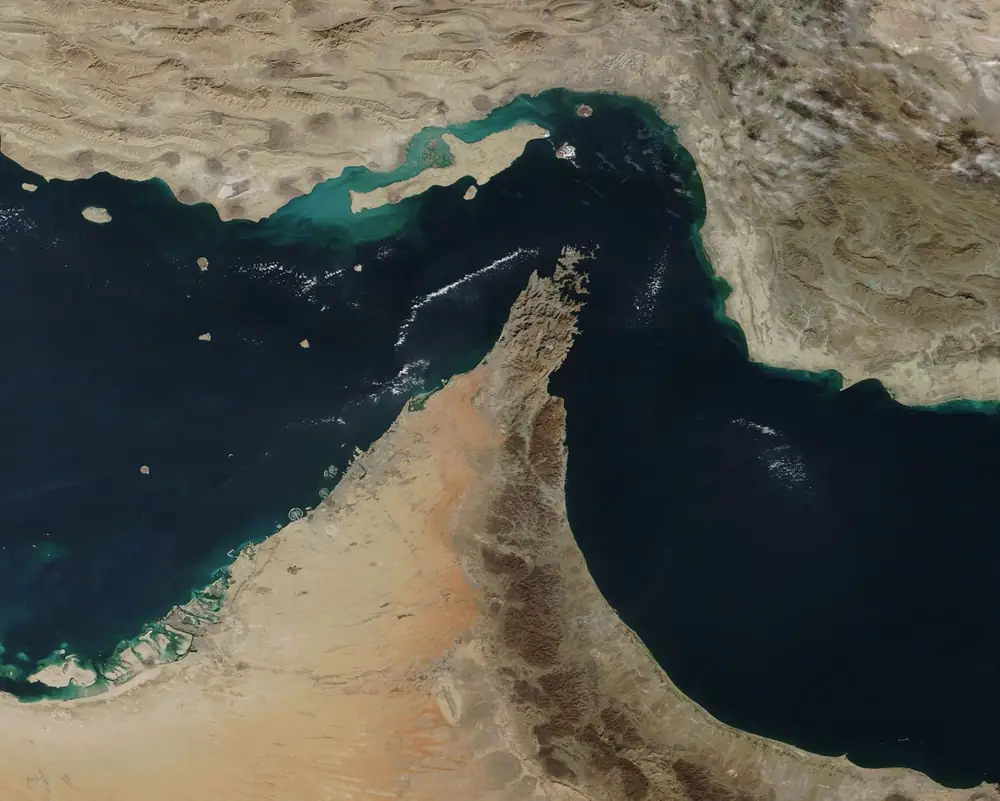
Iran's Islamic Revolutionary Guard Corps said on Thursday that seven oil tankers were struck and damaged in the Strait of Hormuz, the highest single-day toll for the waterway since the United States and Israel began their war on Iran on 28 February. The Guards said four tankers were hit while transferring oil and caught fire overnight, and three were disabled after hitting mines. Al Jazeera said the claims could not be independently verified and gave no details on casualties or the ships' flags.
The Guards warned that if the trend continued, the conflict would extend to US bases in the region. President Donald Trump said Iran was inventing hits and mines to push up oil prices before the US midterm elections, and argued more oil was moving through Hormuz than before the war. An anonymous US Central Command spokesperson called the mine claims incorrect, said US forces had cleared the shipping lanes and that 95 percent of vessels were getting through, and described Iran's attacks as a sign of desperation under the American naval blockade. Before the war about one-fifth of the world's oil passed through the strait.
Iranian officials had signalled escalation. A 20 October security brief cited the Washington Post as reporting that Tehran planned to step up Hormuz attacks, expecting Trump to be less sensitive to energy prices after the midterms. Al Jazeera's reporting from Tehran said Iranian officials expect a US attack before the early-November vote, while its White House reporting said polls show most Americans want relief from war costs and rising fuel prices.
On Friday, foreign ministers from Britain, France, Germany, Türkiye, Saudi Arabia, Pakistan, Egypt and Italy met in Istanbul and urged the United States and Iran to pursue diplomacy rather than new strikes and to fully reopen the strait. Turkish Foreign Minister Hakan Fidan said none of the participants backed another attack on Iran, and French Foreign Minister Jean-Noël Barrot warned that escalation would create only losers. US Ambassador to Türkiye Tom Barrack said Washington could strike Iran that weekend, but added that Trump wants a deal and that any action would not aim at regime change.
Oil markets are already tense. Al Jazeera reported Brent crude rose more than $2 to $110.85 a barrel on Wednesday, near a five-month high.
Sources
- Al Jazeera, 22 Oct
- Al Jazeera, 23 Oct (Istanbul meeting)
- Foundation for Defense of Democracies
- Al Jazeera, 23 Oct (oil reserves)
Weekfold summarises these reports in its own words. Read the originals for full detail.
Get the whole week in one read. A free edition every Sunday.
Subscribe free Edition 43 · 19 – 25 Oct 2026